
Quotes from Lafayette office copier dealers should fit the work of energy service companies, healthcare providers, universities and schools, technology firms, manufacturers, logistics operations, government and professional offices. Field tickets, technical packets, patient records and contracts require different scanning, media and recovery. A strong Acadiana comparison measures work created in the office and the field, then prices the exact equipment and local service needed to finish it.
Commercial Copier Dealers in Lafayette
Office copier dealers in Lafayette can help you choose commercial copiers for your office size, printing needs and budget. Collect meters, service history and actual files from energy, engineering, field service, clinical, academic, technical, manufacturing and administrative teams. Include work orders, inspection packets, technical reports, patient forms, applications, shipping documents, mixed scans, color safety materials and confidential pages. Record mobile capture, desktop printing and outside production.
Use the A3 and A4 copier comparison to determine whether larger technical originals justify floor-standing capacity. Require exact feeder, controller, drawers, finisher and workflow licenses. Test an ordinary field, clinical or quality packet from paper through OCR and approved retrieval.
Medical offices, campuses, industrial service yards, plants and downtown properties have different loading, dust, power and technician access. Facilities, safety, IT and frequent users should approve installation. Put early field starts, clinical hours and restricted areas on the scope.
Compare Lafayette Copier Dealer Prices and Lease Options
Compare Lafayette office copier dealers on both the purchase or lease price and the cost of ongoing service. Separate equipment price, lease total, maintenance base, included pages, overages, supplies, software, implementation and training. Add annual escalators, taxes, travel, relocation, data removal and return freight. The office copier pricing guide keeps field-service obligations and workflow licenses visible.
Model ordinary demand plus energy projects, maintenance work, clinical peaks, enrollment, shipping and fiscal-year deadlines. Ask whether pages can be pooled among Lafayette Parish offices and how a new project location changes coverage. Compare copier leasing versus purchase over one useful life.
Require device-level invoices and an accepted asset schedule. Store serials, installed options, subscriptions, minimums and notice dates together. Review cost after the first major project or seasonal peak.
Local Copier Dealer Service in Lafayette
Choose commercial copier dealers in Lafayette with installation and support options that fit your business. IT should test authentication, secure release, OCR and approved technical, clinical or business repositories. Review encryption, administrator roles, firmware, logs and sanitization. The answer on what belongs in a copier service agreement helps separate hardware, identity and application responsibility.
Ask which technicians and parts serve each address and who owns a failure between field capture, the copier and the repository. Define alternate output for work orders, safety, patient care, payroll, shipping or client deadlines.
References should share similar field operations, access and integrations. Ask when users could complete the entire workflow and whether the correction held. Preserve accepted files and expected results for retesting.
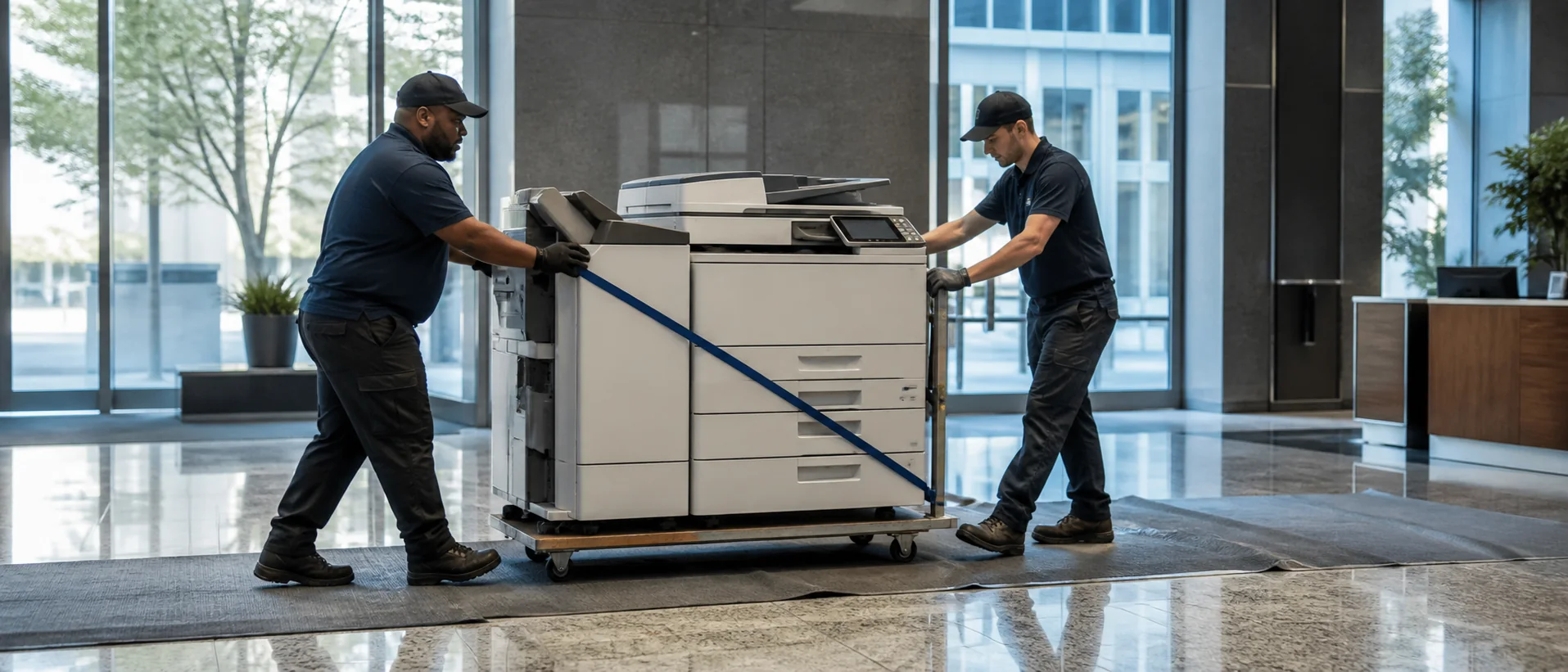
Lafayette employers adding a project office or clinic should document who surveys the site, moves or installs equipment, recreates destinations and confirms network readiness. Price this likely change before approval rather than negotiating it during a deadline.
Get Quotes from Copier Dealers in Lafayette
Compare commercial copiers, purchase prices and lease options for your Lafayette business.