
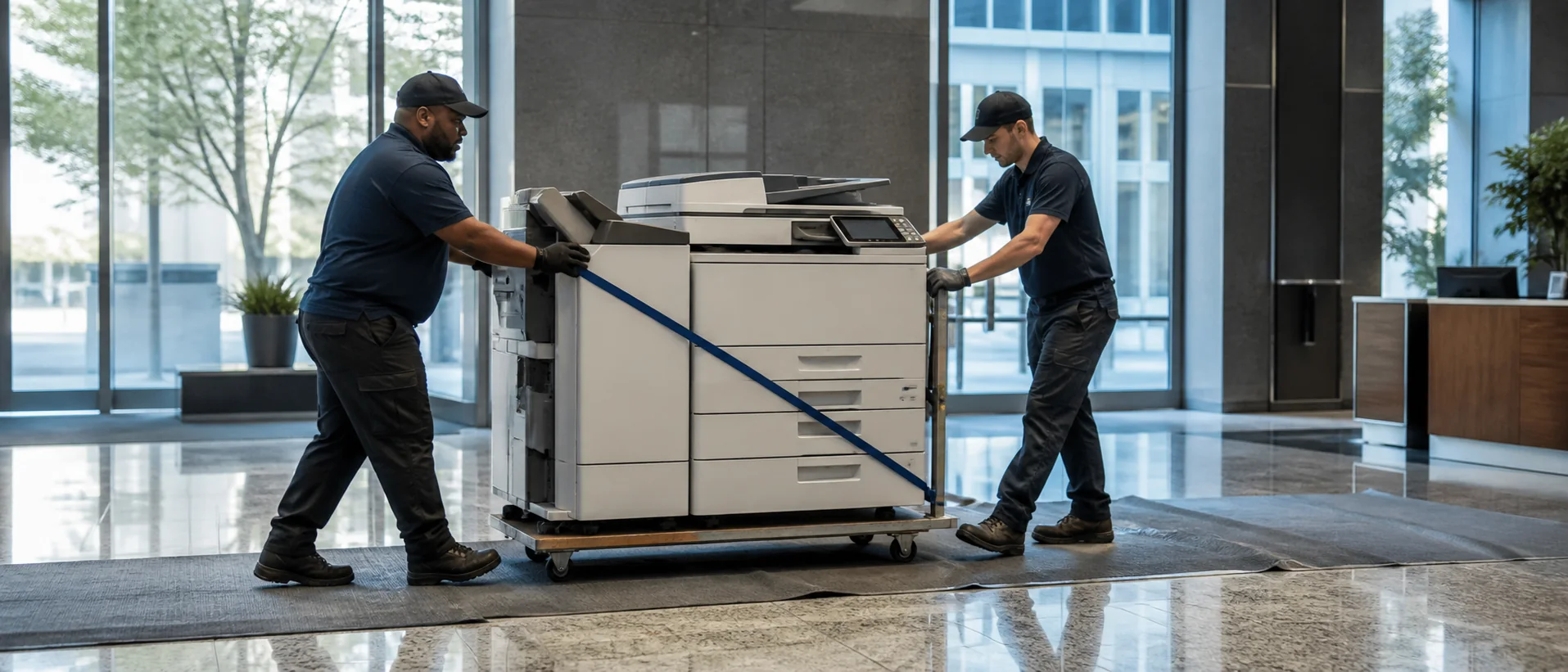
Lubbock copiers for lease should be compared with purchase proposals for healthcare systems, universities and research groups, agriculture and food businesses, manufacturers, logistics operators, energy companies, government agencies and professional offices. Patient forms, research files, agricultural records and shipping papers create different security and recovery needs. A useful South Plains comparison includes regional routes, seasonal demand and complete workflow support.
Specify Lubbock copiers for clinical, research and agricultural work
Gather meters, tickets and actual files from hospitals, universities, laboratories, agriculture, food, manufacturing, freight, energy, public and professional users. Include patient packets, grant records, course material, agricultural files, food-quality documents, work orders, shipping papers, mixed scans and confidential pages. Record outside output used during failures.
The copier sizing guide connects simultaneous use and feeder batches to practical capacity. Require exact model, controller, drawers, finisher and software. Test a normal patient, research or quality packet through authentication, OCR and retrieval.
Medical campuses, laboratories, food facilities, plants, warehouses and schools have different loading, sanitation, shifts and access. Facilities, safety, IT and users should approve installation.
Compare Lubbock copier pricing through harvest and clinical cycles
Request purchase price, lease total, service base, included pages, overages, supplies, applications, setup and training separately. Add annual increases, taxes, travel, after-hours labor, moves, sanitization and return freight. The office copier cost guide keeps route and workflow obligations visible.
Model routine demand plus harvest, food-production, grant, clinical, enrollment, shipping and fiscal peaks. Ask where technicians and common parts are based and whether pages can be pooled. Compare leasing versus buying copiers over one useful life.
Require invoices by serial, department and project. Keep accepted configurations, subscriptions, minimums, mileage terms and notice dates together.
Protect Lubbock records and prepare regional recovery
IT should test secure print, identity, OCR and approved clinical, research, agricultural or production repositories. Review encryption, administrator roles, firmware, logs and data removal. The copier security checklist supports patient, research and technical information.
Ask which technicians cover each property and who owns a fault involving device, identity or repository. Define backup output for patient care, research, food compliance, production, freight and payroll.
References should match regional routes and integrations. Preserve accepted files, barcode behavior and results. Lubbock teams should identify approved temporary equipment and the maximum interruption at clinical, quality and shipping stations.
Test those files before seasonal peaks and price emergency delivery in advance. Require the same acceptance test after moves or application changes.
Keep site and repository contacts current.
Before a campus, clinic or food-facility installation, document loading access, sanitation or safety orientation, power, network ownership and the person who validates each destination. Pricing those conditions before award gives every Lubbock dealer the same completion standard and prevents a restricted work window, missing repository owner or unsuitable supply area from becoming a late charge. Record the accepted result for future service calls.
Price one complete Lubbock copier requirement.
Compare equipment, workflow, cost and recovery on equal terms.