What are the tax benefits of leasing a commercial office copier
Leasing a commercial office copier provides tax benefits like deducting monthly payments as operating expenses, reducing taxable income immediately. Section 179 allows full deduction on purchases, but leasing spreads deductions over the term. Leasing is often better for cash flow and short-term use. Consult a tax professional to maximize benefits under current rules.
Last Updated: February 25, 2026
Related topics: tax benefits leasing commercial copier, leasing office copier tax deduction, monthly lease payment deduction, Section 179 buy vs lease copier, operating expense lease copier tax, cash flow tax benefit lease, spread deduction lease copier, short term lease tax advantage, consult tax pro copier lease, IRS rules copier lease benefit, reduce taxable income lease copier, long term tax buy copier, lease tax savings office copier, commercial copier lease tax guide, tax advantage lease copier
Compare Copier Prices NowWhat facilities teams want to know about commercial MFP systems
Copier leasing questions frequently surface during office expansion or contract renewal. Print speed, duty cycle, color usage, and service response time all influence performance. Cost per page agreements frequently exceed base lease payments over a full contract term.
High-volume multifunction copiers often operate near continuous duty cycles. Copier clarity improves uptime and lifecycle value.
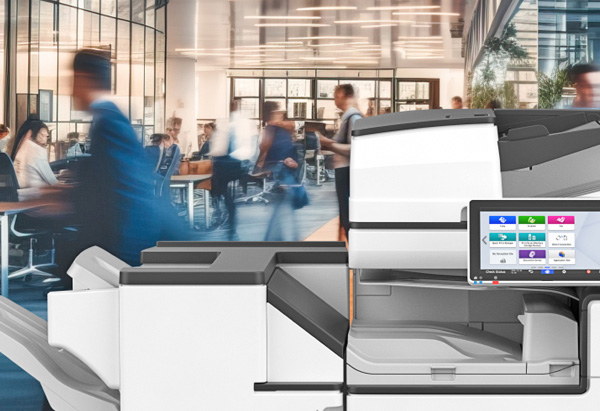
What are the tax benefits of leasing a commercial office copier
Expert Answer: Leasing a commercial office copier offers clear tax advantages for many businesses. Monthly pricing payments are typically deductible as operating expenses, lowering taxable income in the year paid—ideal for managing cash flow and taxes. Unlike buying, where Section 179 allows large upfront deductions, leasing spreads benefits over the term. This can help businesses stay in lower tax brackets or match deductions to revenue. Leasing also avoids depreciation schedules and ownership complexities. For short-term or growing offices, leasing provides tax relief without large capital outlay. Always consult a tax advisor to ensure compliance and maximize deductions under current IRS rules.