
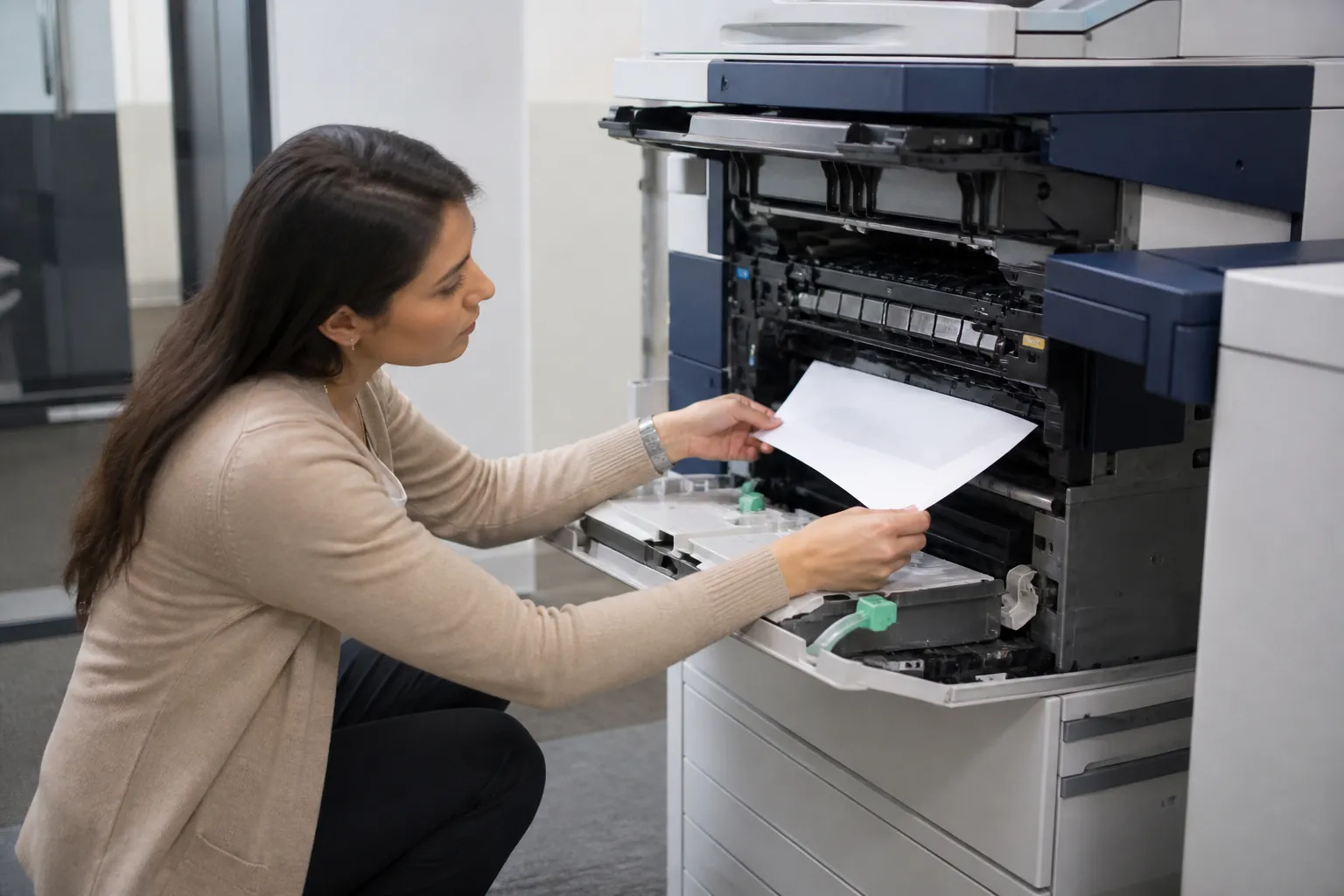
Office copier lease terms explained
Compare leasing and buying over the same expected use period. Separate the equipment agreement from the service contract, identify the amount financed and total payments, and read the renewal, return, buyout and upgrade language. A low monthly payment is not enough to prove the lease is the better deal.
Use this answer to define the requirement, expose meaningful differences among proposals and verify the equipment, service or contract term that supports each claim.
Turn this copier question into a written requirement
Write the answer into the request for proposal, including the measurement or contract term that proves it. Ask every provider to identify the exact option, setting, service obligation or workflow assumption behind the recommendation. Keep the response with the configuration sheet for installation and future account reviews.
Compare copier lease terms and end-of-term choices
Review 36-, 48- and 60-month options using total payments, not only monthly cost. Identify whether the agreement offers fair-market-value return, a stated purchase option or another structure. Calendar the notice deadline and document return-freight and condition requirements.
The end-of-copier-lease checklist helps prevent an unwanted renewal.
Price the equipment around one clear workload.
Give providers the same volume, paper, scanning, finishing and service brief.
Normalize the quotes before comparing price
Put every proposal into the same table: equipment, accessories, term, service, pages, overages, software, setup, annual increases and end obligations. Mark substitutions and assumptions. This prevents a provider from winning on a lower headline number created by leaving a required component outside the comparison.
Give IT and operations clear ownership
Decide who maintains users, firmware, certificates, scan destinations, print rules and reporting after installation. Separate provider responsibilities from internal administration. Document how users obtain help and how a security, workflow or billing issue escalates. Good equipment can still fail the business when ownership is ambiguous.
Start with evidence from the current office workflow
Collect meter history, job samples, user complaints, paper purchases and service tickets before changing equipment. Separate recurring needs from one unusual project. A measured baseline helps providers size the proposal and gives the business a way to judge whether the new copier actually improves cost, speed or reliability.
Connect this answer to the complete copier decision
Research office copier lease terms explained alongside the office copier prices guide, copier lease versus buy comparison, Office Copier Buyer’s Guide, current copier brand guide and local copier pricing directory. Use the office copier answer library for narrower contract and feature questions, then carry one consistent requirement into the copier quote request.
- Configured equipment value
- Lease term and total payments
- Service agreement shown separately
- Upgrade and early-termination language
- Renewal, buyout and return terms
- End-of-term notice deadline
Related buyer questions worth resolving
Closely connected decisions include What size office copier do I need, Should I buy a new or used office copier, What security features should an office copier have and What is copier cost per page. Resolve them before comparing final proposals so price, capacity, service and contract assumptions stay aligned.