What are the pros and cons of leasing vs buying an office copier
Leasing an office copier has pros like low upfront costs, included maintenance, and easy upgrades every 3–5 years, but cons include higher long-term expense and no ownership. Buying offers ownership, tax deductions, and lower total cost over 5+ years, but requires large initial investment and self-managed repairs. Leasing suits growing businesses; buying stable ones. Calculate based on volume—leasing often better for under 10,000 pages monthly.
Last Updated: January 12, 2026
Related topics: pros cons leasing vs buying office copier, lease buy office copier comparison, leasing advantages office copier, buying pros cons copier, low upfront lease copier pro, maintenance included lease con, upgrade easy lease copier, tax deduction buy copier pro, ownership buy office copier, long term cost lease vs buy, startup lease copier better, stable business buy copier, monthly payment lease pro, early fee lease con, total cost office copier decision
Compare Copier Prices NowQuestions businesses ask when selecting commercial copiers
Questions about commercial copiers usually emerge once real print volume requirements are evaluated. Commercial copiers must balance uptime, cost per page, and workflow integration. High-volume multifunction copiers often operate near continuous duty cycles.
Improper copier sizing is a leading cause of early service calls. This is why many buyers review detailed copier guidance before signing. Buyers often reference guidance like this commercial copier FAQ when evaluating next steps.
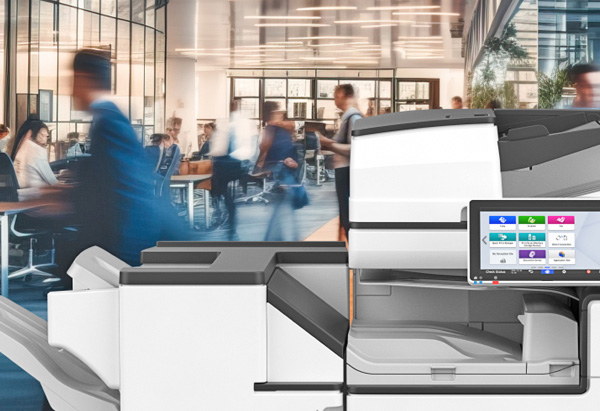
What are the pros and cons of leasing vs buying an office copier
Expert Answer: Leasing versus buying an office copier depends on your business stage and cash flow. Leasing pros: monthly payments $50–$300 keep capital free, contracts include service/toner, and upgrades avoid outdated tech. Cons: no equity, potential overpayment long-term, and early termination fees. Buying pros: own the asset, deduct depreciation, control pricing after payoff. Cons: $3,000–$20,000 upfront, handle maintenance. Leasing fits startups; buying long-term users. Compare total costs for decision.